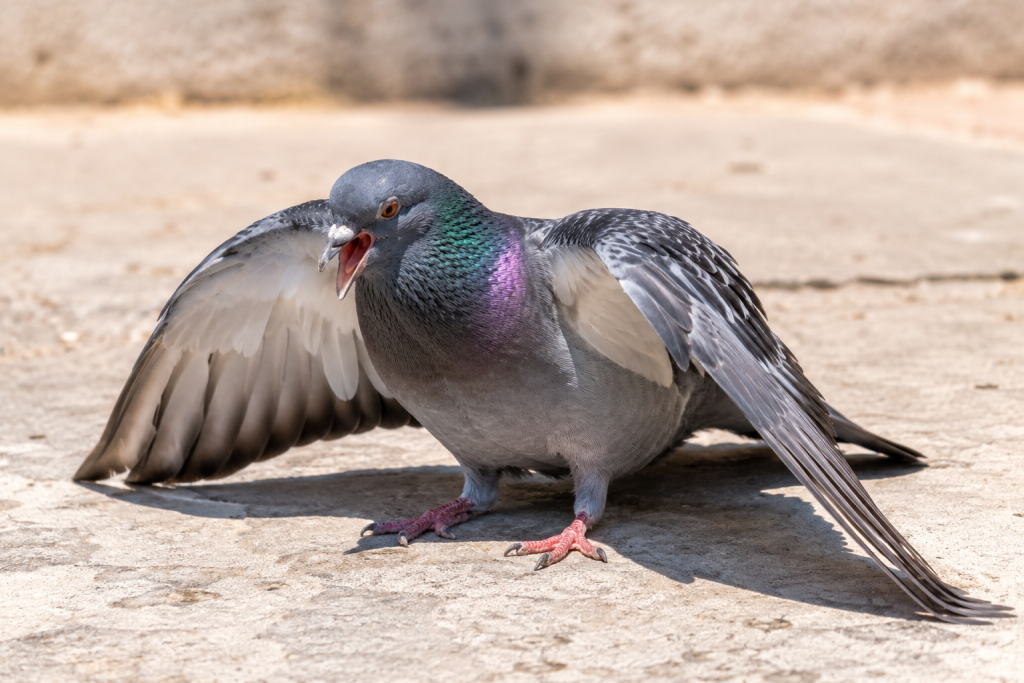
The heat is becoming too much for some young birds to bear. 🥵
Wildlife rehabilitation centers in Belgium are reporting a sharp increase in the number of animals suffering from heat stress as unusually high temperatures sweep across parts of Europe. Particularly affected are young birds nesting under rooftops, including common swifts, barn swallows, house sparrows, starlings, and pigeons.
Wildlife rescuers say that temperatures beneath some roofs can reach 50–60°C (122–140°F), forcing young birds to leave their nests before they are ready to survive on their own. One Belgian wildlife rehabilitation center reported admitting 150 animals in just three days, while many rescue centers are struggling to cope with the overwhelming number of cases. (Source: The Dodo)
This phenomenon has become an increasingly serious issue across Europe in recent years and is closely linked to climate change.
Why are young birds so vulnerable?
Many species, including:
- Common Swift
- Barn Swallow
- House Sparrow
- Common Starling
- Pigeons
…nest under roofs, in attics, and within cracks and crevices of buildings. These nesting sites were once suitable, but during heat waves they can heat up to over 50°C (122°F) and, in some places, even 60°C (140°F).
Young birds have not yet fully developed the ability to regulate their body temperature:
- They cannot move into the shade.
- They cannot fly to find water.
- They become dehydrated very quickly.
- Their body temperature can rise to dangerous levels.
As a result, they often leave the nest too early, fall to the ground, and, without the care of their parents, usually do not survive.
Why is this problem getting worse?
Europe is warming faster than the global average. Heat waves are:
- becoming more frequent,
- lasting longer,
- reaching higher temperatures.
This also leads to:
- fewer insects available for birds to feed on;
- drying up of puddles and other water sources;
- increased mortality among nestlings during the breeding season.
For some species, ornithologists have observed declining nesting success, which could eventually lead to population declines.
What can we do to help?
If you have a garden or a balcony:
- Put out a shallow dish of fresh water.
- Place it in the shade and clean it regularly.
- Do not remove active nests.
- If you find a young bird on the ground, first observe from a distance to see whether its parents are still feeding it.
When does a bird need help?
If the young bird is:
- injured,
- severely exhausted,
- struggling to breathe,
- lying in direct sunlight and unresponsive,
carefully move it into the shade and seek assistance from a wildlife rehabilitation center or another qualified wildlife expert.
What about Slovenia?
Wildlife rescue centers in Slovenia also report an increase in dehydrated nestlings and young birds that have fallen from their nests during heat waves. As climate models predict more frequent and more intense heat waves in the future, this problem is expected to become increasingly common here as well.