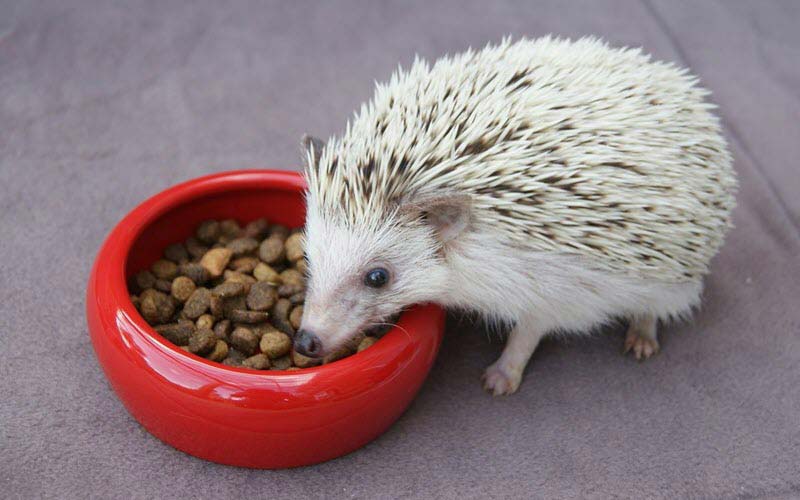
You can find a lot of information about wild hedgehogs on our Facebook page Jež – naš vrtni prijatelj. However, I constantly notice that people often confuse the wild hedgehog with the African pygmy hedgehog or “lump them together.” For this reason, I have decided to write a more extensive post with important information you should know before bringing a pet into your home. It is especially important to note that the African pygmy hedgehog is permitted as a pet, whereas the wild hedgehog is legally protected and it is forbidden to keep, capture, breed, or sell it. An African pygmy hedgehog must never be released into the wild.
At DonCha, you can find various soft liners, dens, and hiding places for them, and—almost essential for them—the DonCha sack.
Characteristics, Housing, Diet, and Other Information
Facts
The African pygmy hedgehog, also known as the four-toed hedgehog, is the smallest hedgehog species and the one most commonly sold as a pet. They come in a wide range of color patterns. Pet hedgehogs are quiet, active, and entertaining, but they require a fair amount of care. They need spacious housing that must be cleaned frequently and high-quality hedgehog food. In addition, as nocturnal animals, they must be fed and cared for in the evening hours.
African pygmy hedgehogs are solitary, nocturnal pets that require a spacious enclosure with a warm, dimly lit environment.
Their diet consists primarily of high-quality hedgehog food, supplemented with insects and a small portion of fruits and vegetables.
Common health issues include obesity and dental disease; regular veterinary check-ups are recommended.
African pygmy hedgehogs have “smooth” quills that resemble bristles. Unlike the sharp spines of porcupines or wild hedgehogs, these quills are not dangerous, making them suitable as pets.
Species Overview
Common names: African pygmy hedgehog, four-toed hedgehog
Scientific name: Atelerix albiventris
Adult size: 15–20 cm in length; weighs between 230 and 600 g
Lifespan: 3–6 years in captivity (cases of up to 10 years have been recorded)
Behavior and Temperament
African pygmy hedgehogs require moderate care and are mostly active at night, making them suitable pets for someone who works a typical 9-to-5 job. They are quiet, solitary animals that do not crave human interaction or the company of other animals. They need time to get used to people and require gentle, calm handling. Hedgehogs are not known for biting; their quills are their primary form of defense.
Most hedgehogs display an interesting behavior called “self-anointing,” which may seem unpleasant to new owners at first. When a hedgehog encounters a new scent or food, it may begin to foam at the mouth and spread saliva over its quills. No one is entirely certain why hedgehogs do this; some do it more often than others. However, it is not a cause for concern. Experts believe it may be a way to relieve stress or a form of protection.
Size Information
African pygmy hedgehogs grow to between 15 and 20 cm in length and weigh an average of about 450 g. They reach adulthood at approximately two to eight months of age.
Housing
These solitary animals prefer to live alone and may fight if housed with other hedgehogs. Even individually, they need space to explore. An enclosure at least 60 cm wide and 120 cm long is sufficient, though larger is always better. Choose an enclosure with smooth floors and walls, such as an aquarium or terrarium, and ensure it has a mesh lid for airflow and security.
Wire-sided enclosures are also possible, but make sure the spacing between the wires is one inch (2.5 cm) or less so the hedgehog cannot squeeze through. Do not use wire flooring, as it can injure their feet.
Place the enclosure in a quiet, dimly lit, and warm location (approximately 21–29 °C). Include small houses or other hiding places where the hedgehog can retreat to feel safe and sleep. Some hedgehogs also enjoy toys such as small balls and generally like tunnels. Unlike some small animals, hedgehogs typically do not use a single “toilet area,” so expect frequent cleaning.
What to Use as Bedding
Aspen shavings and recycled paper alternatives are commonly used bedding options, as is ground, dried pine wood. Avoid cedar shavings, as their scent can be toxic to small mammals.
Some owners use indoor/outdoor carpet or fleece instead of loose bedding. These options are more sustainable, as they can be washed and reused. If you choose carpet or fabric, make sure to cut off any loose threads that could get tangled around your hedgehog’s toes, and always keep a spare piece for easy cleaning and replacement.
Diet and Water
In the wild, hedgehogs are primarily insectivorous mammals. High-quality cat food—supplemented with mealworms, crickets, and other treats—was once the main diet for pet hedgehogs. Today, the pet industry offers high-quality hedgehog food that provides exactly the nutrients your spiky companion needs. If you choose cat food, make sure it is grain-free.
Because hedgehogs are nocturnal, it is ideal to feed them at night when they are most active. Use a small, shallow bowl and discard any leftover food daily before adding fresh portions. In addition to their main diet, provide about one teaspoon of chopped fruits and vegetables per day in a separate small bowl. It is best to do this early in the evening so leftovers can be removed later before the food spoils. Consult knowledgeable sources regarding which fruits and vegetables are safe.
You can also offer insects, including mealworms and crickets, a few times per week. Hunting live insects mimics foraging behavior in the wild and provides mental stimulation for captive hedgehogs.
Provide water either in a water bottle or a small, low bowl. Some hedgehogs may need both until they learn to use the bottle. Regardless of the option you choose, change the water daily (or more often if it becomes dirty) and regularly check that the bottle nozzle is functioning properly.
Common Health Issues
Some common health problems affecting hedgehogs include:
- Obesity (usually due to improper diet)
- Dental disease
- Heart disease
- Eye injuries
- Skin infections and mites (often due to unhygienic conditions)
- Wobbly Hedgehog Syndrome (a progressive condition that causes paralysis)
Tip: Not all veterinarians have experience with hedgehogs. Before getting one as a pet, make sure there is a veterinarian nearby who is able to treat your animal.
Taming an African Pygmy Hedgehog
The most common method is hand-taming. At first, this cautious animal may curl into a spiny ball when you try to pick it up. Be patient and hold the ball gently in your hand, allowing the hedgehog to uncurl and begin exploring when it feels comfortable. Once the hedgehog realizes you do not intend to harm it, it will become more active and its quills will flatten.
Exercise
Hedgehogs love to move and need exercise to prevent obesity and other health problems. In the wild, they travel long distances every day. Provide your hedgehog with an exercise wheel to stay active. The wheel should be open-faced with a solid running surface—no rungs that could cause injury. The diameter should be at least 25 cm to allow comfortable running.
Grooming
Hedgehogs generally groom themselves. However, occasional nail trimming may be necessary, as they may not wear down their nails in captivity as they would in the wild. Many owners learn to trim their hedgehog’s nails themselves after a veterinarian shows them how. It is important that the hedgehog remains calm and still during the process.
Maintenance Costs
Regular expenses include high-quality food and fresh, clean equipment and bedding. Additional costs may include treats and toys. Do not forget to factor in the cost of annual veterinary check-ups and any potential veterinary visits.
Pros and Cons of African Pygmy Hedgehogs as Pets
Hedgehogs are generally not cuddly animals and are most active at night, so they may not be suitable for someone who wants a highly interactive pet during the day. However, they are quiet animals that do not require much space and do not need constant attention.
Frequently Asked Questions
Are hedgehogs good pets for children?
Hedgehogs prefer a calm, quiet environment and are nocturnal animals, so they are probably not good pets for young children. However, they may enjoy interacting with calm, older children.
Do hedgehogs like to cuddle?
Hedgehogs generally do not like cuddling, but they can learn to trust people and feel comfortable being held.
Are hedgehogs difficult to care for?
Hedgehogs require a moderate amount of maintenance, primarily in keeping their environment clean. However, feeding them is relatively simple, and they do not require a great deal of attention.